Tirana, the vibrant heart of Albania, is your perfect first stop — a city where history, culture, and modern life meet in harmony.
Famed for its colorful architecture and cultural diversity, the city reflects a forward-thinking spirit while preserving its rich heritage. At its core lies Skanderbeg Square, the city’s beating heart, dominated by the statue of Albania’s national hero, Gjergj Kastrioti Skanderbeg.
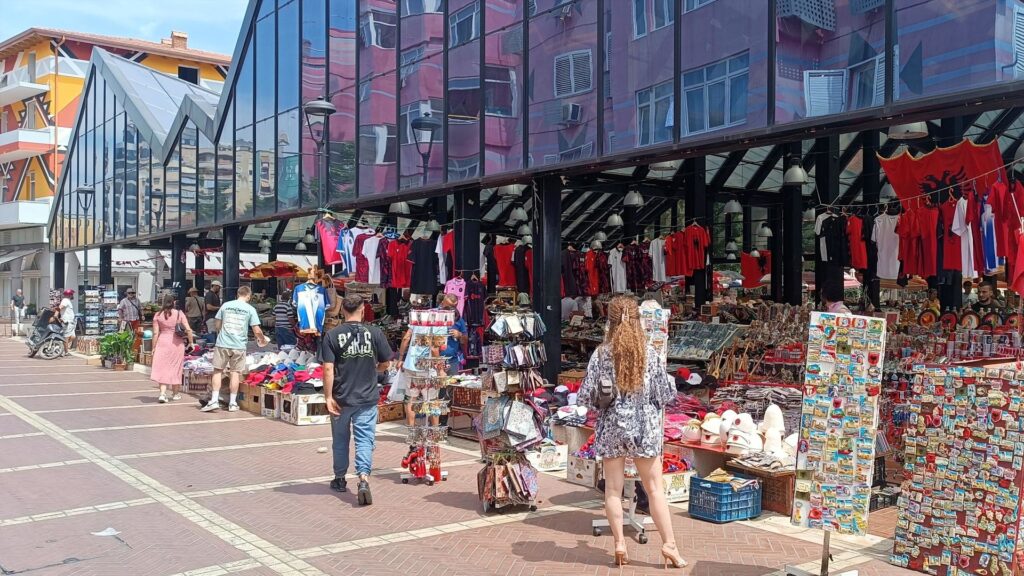
Not far from the square is the lively New Bazaar, a favorite gathering spot for locals and visitors alike. With its festive atmosphere, this market is a must-visit in any season.
The Pyramid of Tirana, transformed into a dynamic cultural hub, is another highlight. This landmark seamlessly bridges the country’s communist past with its innovative present.
For a taste of modern Tirana, head to Blloku, once the exclusive neighborhood of communist elites. Today, it’s a bustling area filled with trendy cafes, restaurants, and vibrant nightlife.
Finally, unwind with a stroll through the Grand Park of Tirana, a tranquil green escape perfect for recharging after a day of urban exploration.
Did I mention museums like The National Historical Museum, BunkArt 1, Dajti Express Cable Car, BunkArt 2, and House of Leaves…? And there are more to be discovered…
Now, let’s dive deeper into the city layers:
22 large and small castles are located around the city of Tirana today, built between 6th century BC to the 18th century. A precious mosaic on the floor of what began as a Roman villa in the 1st century, which was later converted into a church in the 3rd-4th century. 13th century and other earlier or later documents, in many places in the region and beyond, tell us about what was called Greater Tirana and Lesser Tirana, which today are clearly related to what is now the city of Tirana.
Even more coveted as the location of an urban center, the city of Tirana is articulated in the chronicles of the Ottoman authorities, as a city that was developed by Sulejman Pasha Bargjini, an Albanian feudal lord of the 17th century who built a hammam, a bakery, a mosque and the beginnings of the old bazaar of Tirana.
But let’s go back in time, when we have at least the reconstruction of the Tirana Castle by Emperor Justinian, around the 6th century. One of the observation towers has easily visible foundations and fragments of the wall that connect it to the rest of the castle wall that is still visible today. Nowadays, within these walls, there is one of the gastronomic destinations and dozens of bars and souvenir shops and more.
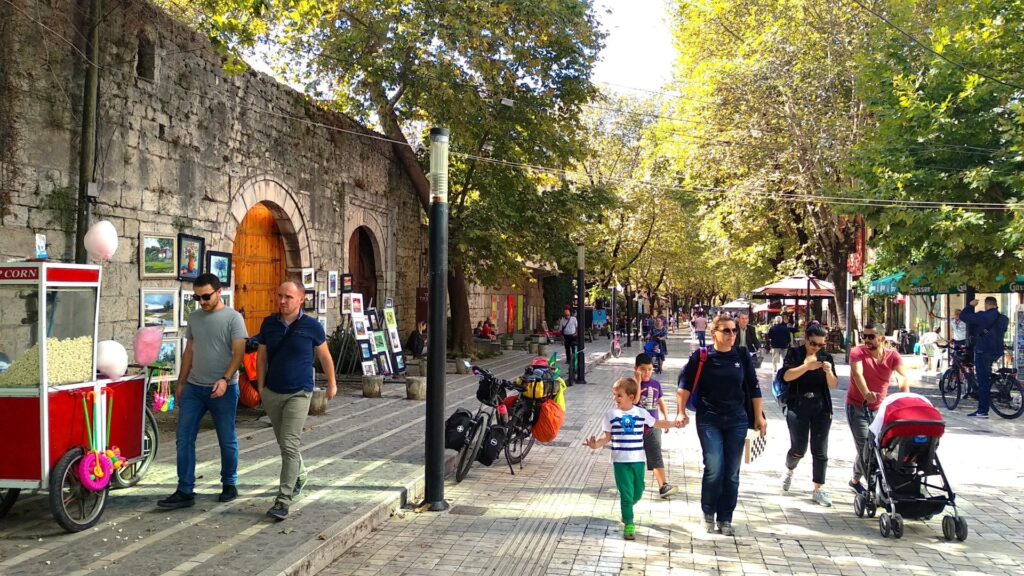
Not far from there is the largest Mosque in Albania, inaugurated in 2024, with the presence of the highest local authorities, and the president of Turkey, Racep Erdogan. It is not for nothing that this mosque is similar to the Blue Mosque in Istanbul…
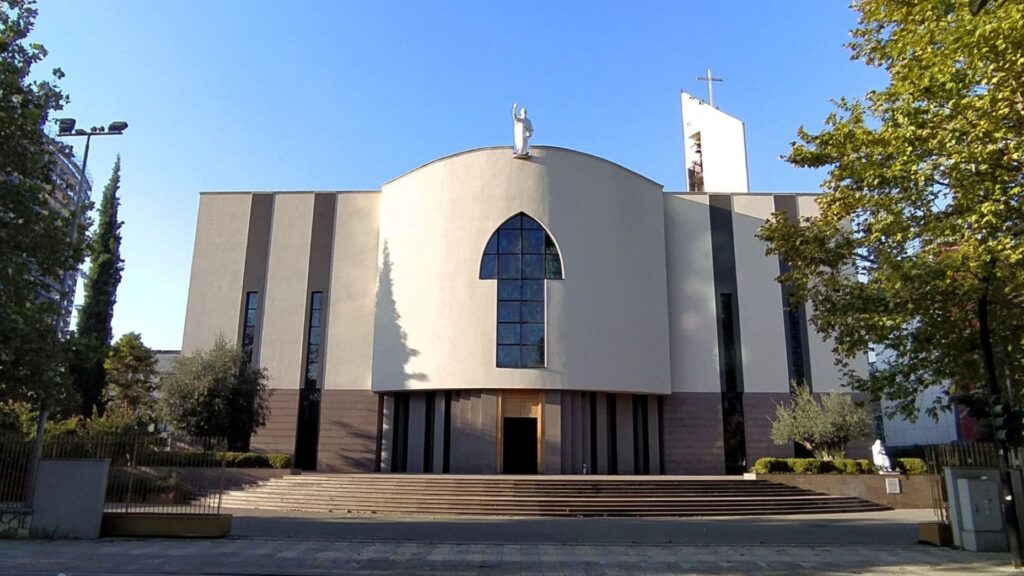
Not far from there is the Catholic Cathedral of St. Paul, built in 2001. It is distinguished by its modern architecture and a combination of tradition with modernity. At the top of the cathedral’s facade, in addition to the multi-colored stained glass windows, there is a tall statue of St. Paul, followed by another statue on the main front yard, on the right, the statue of the Albanian saint, Mother Teresa.
Crossing over to the other side of the so-called “Lana River”, we find ourselves on the northeastern side of the Pyramid of Tirana. A building that now contains an architectural attraction, without overlooking the historical one, you will be amazed at how this building became part of the memory of the city of Tirana, once it was the museum of the life of the former communist dictator Enver Hoxha. Now its 130 steps that lead to the top of the pyramid, gracefully cover what in 1988 was covered in red marble with white veins, brought from the import of that time, which was too much of a luxury for the Albanian economy of the communist era.
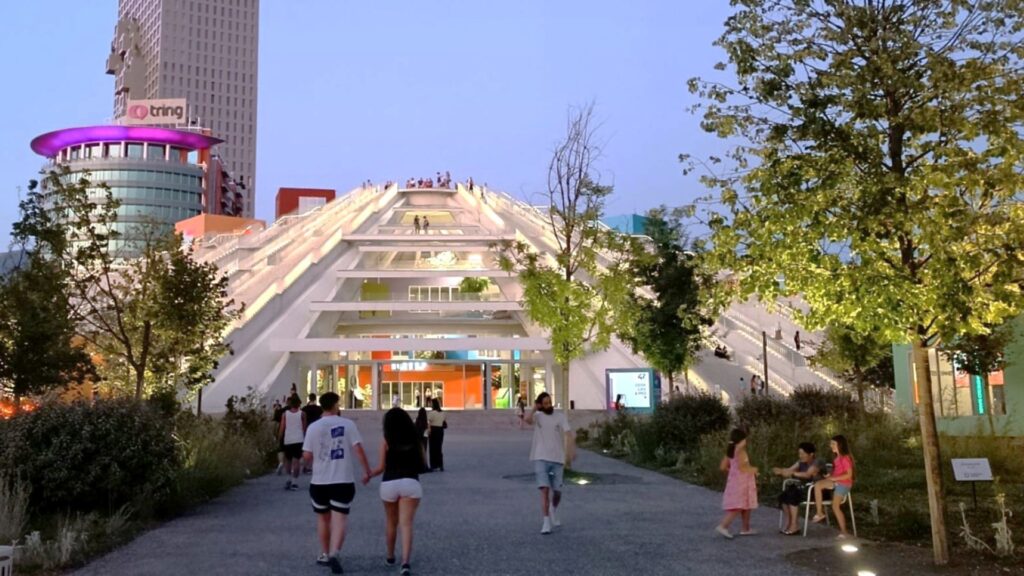
After taking in the 360-degree view of the city from the top of the pyramid, walk down the stairs towards the main boulevard, passing by the Prime Minister’s Office, continuing towards “Mother Teresa” Square and hold your steps in front of the 22,000-seat national stadium, Air Albania. On the other side of the street, you will learn that most of these buildings were designed by renowned Italian architects from the 1930s-1940s. That was the time of friendship between the Albanian Kingdom and Fascist Italy before World War II. Not far from there, you will pass by the Presidential Palace and a little further down you will see the trio of “post-Bllok” monument, designed by one of the political convicts in the political prison of Spaci, in northern Albania. Parts of this monument are a bunker displayed in its original location (it is one of 173,000 bunkers built in the 1970s throughout the country), some original pillars taken from the infamous Spaci prison mine, and a concrete block from the Berlin Wall, a gift from the municipality of Berlin, Germany, donated to that of Tirana. A monument that reminds us of Albania’s communist past, a monument to remember that that time must never return.
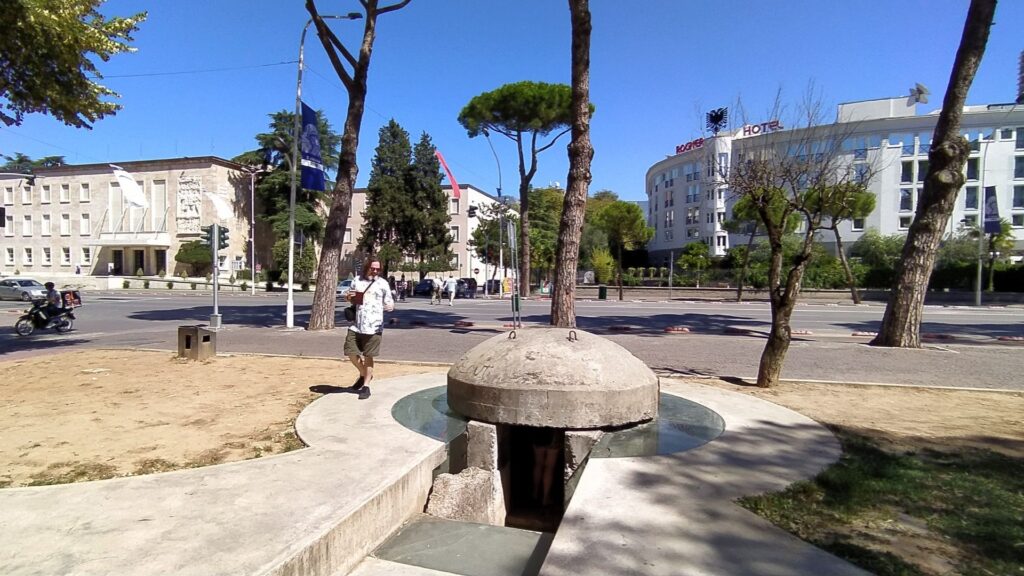
If you continue west of the monument, you will find yourself near the first intersection, where on both sides are the former villas of the former communist dictator Enver Hoxha and that of the former communist prime minister Mehmet Shehu, who committed suicide in a mysterious way in 1981. An entire neighborhood, where the foot of the ordinary passerby was not allowed to step, where the luxury and life of the blockmen could not be discovered by the curiosity of ordinary people who suffered the extreme poverty of the communist system.
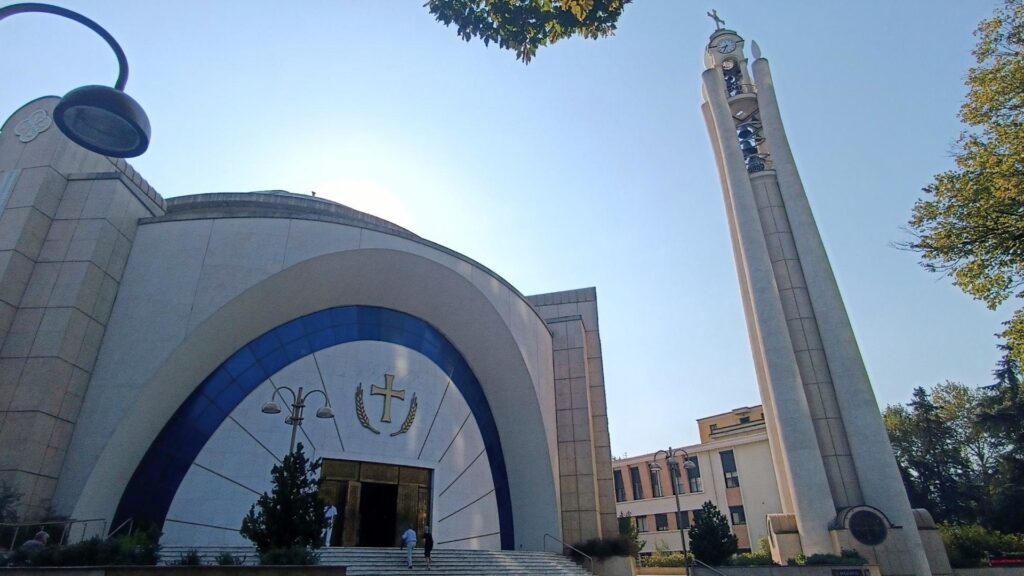
Continuing to the northern side on the former “Blloku”, you will pass through those streets that were once like a world forbidden to all until 1980. After crossing the Lana River again, and continuing to walk towards Skanderbeg Square, the city center, you will pass between the House of Leaves , 1944-1991, as the infamous former headquarters of the Albanian intelligentsia, and the Orthodox Cathedral of the Resurrection of Christ, known as the largest Orthodox cathedral in the country, inaugurated in 2012.
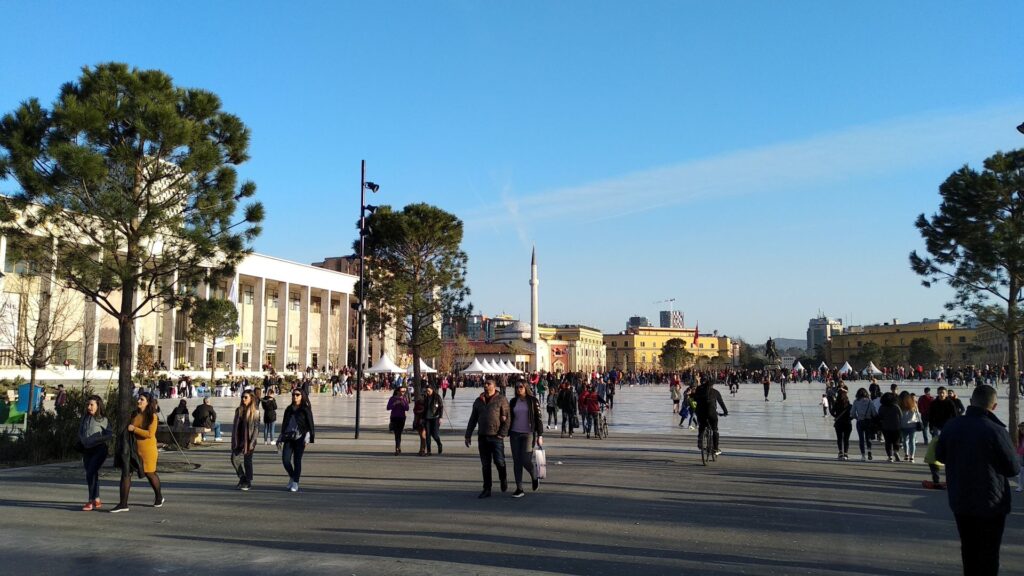
After visiting these two attractions, and a few minutes of walking northwards, you will find yourself in Senderbej Square, the largest square in the country, surrounded by a crown of 130 trees and 12,000 different decorative, medicinal and herbal plants, found in the territory of Albania. Actualey, it is not a flat square but a low pyramid structure, since in the middle of this structure you may easily see the summit of the union of four giant faces, which peak about 2 meters in the center. Underneath this structure which is equipped with 100 fountains and many benches at its edges, you may find the way to get to a two-story underground parking with a capacity of 360 parking spots.
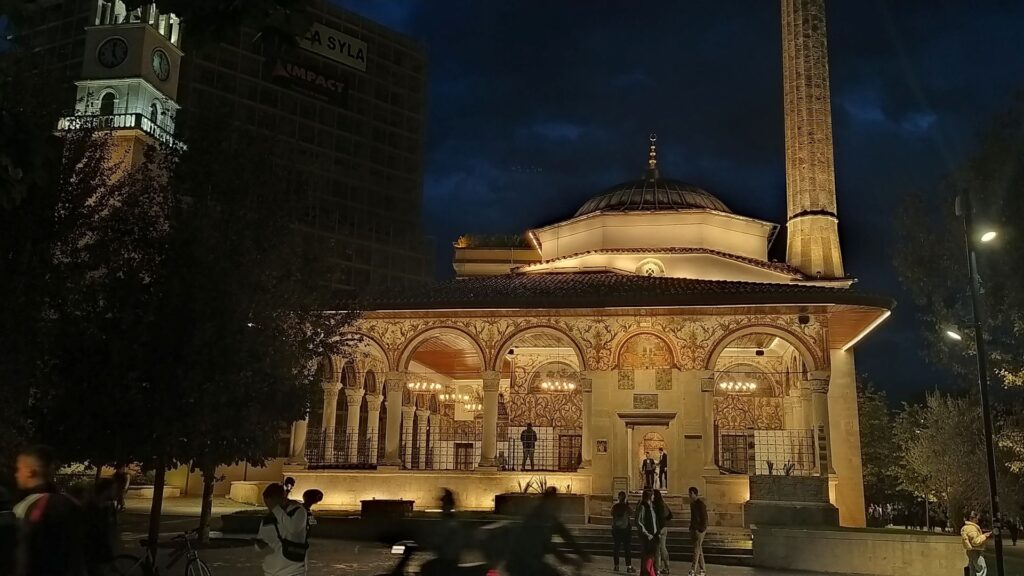
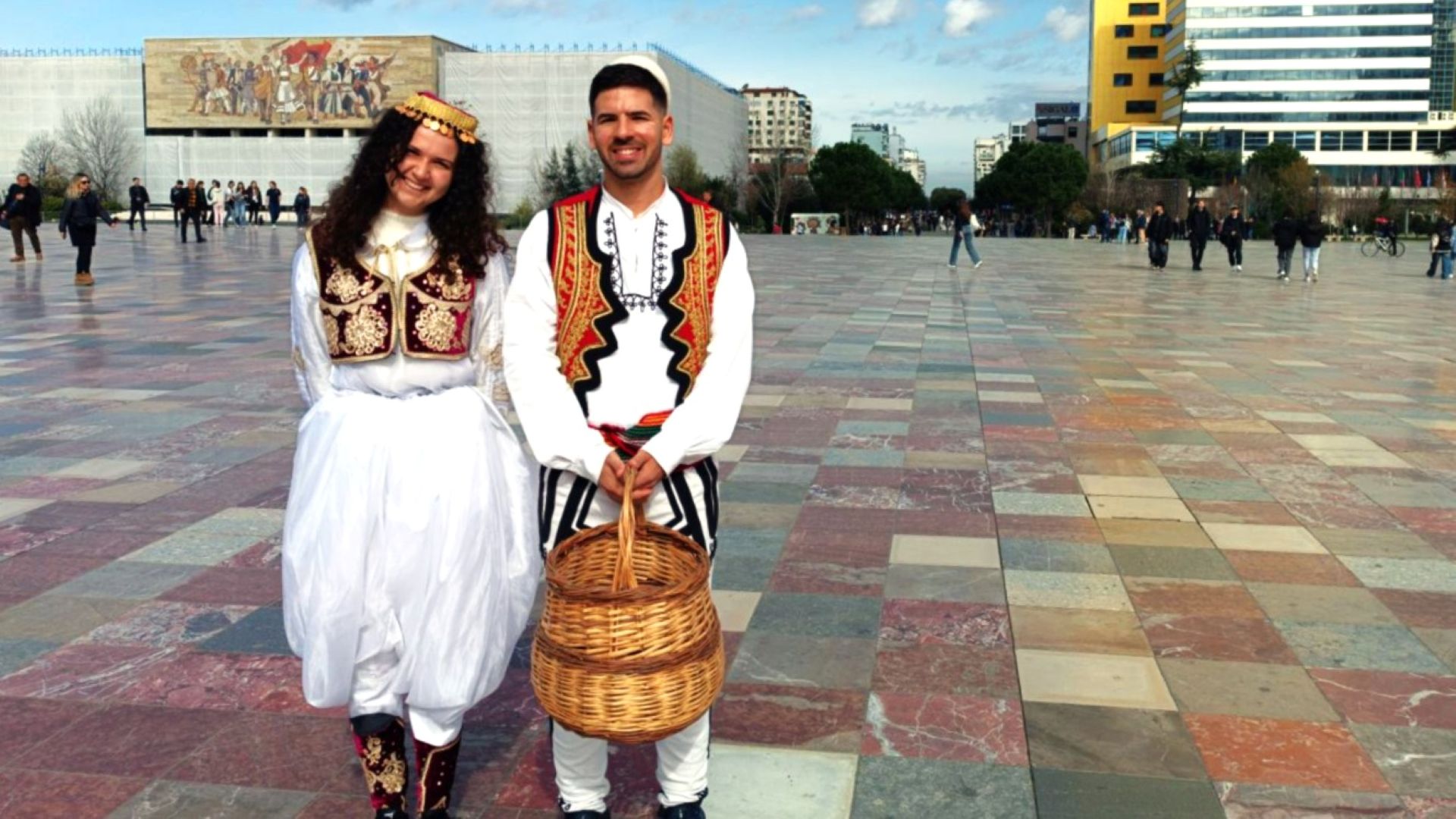
At its edges, you van admire the statue of Gjergj Kastriot Skanderbeg on horseback, 2 of the buildings from the Ottoman era, the Haxhi Ethem Bey mosque and the Tirana Clock Tower, built in 1822, the Palace of Culture which started to get built in 1959, where the first brick in the foundations of this building was laid by the former president of the Soviet Union, Nikita Khrushchev. On the north-western side, you will see perhaps the largest mosaic in the Balkans, which is placed on the front facade of the National History Museum, built in 1981. On the western and southern sides behind the garden behind the statue of Skanderbeg, there are several historical buildings, now part of the architectural ensemble built in the 1930s, designed by the Italian architects mentioned above, as part of the Italian-Albanian friendship before World War II.
If you want to visit another vital part of the city, just no more than 7 minutes on foot from the main square, towards the east, you will find yourself in the premises of the New Bazaar built in 1931. Restaurants, bars and pastry shops dating back to 1926, restaurants with authentic cuisine with grilled meats and open beers, fish and traditional restaurants, within the markets of the meat, fish, fruit, vegetable and antiques market, a world within the colors of Tirana that stays open until late in the evening, especially during summer nights.